
The Cryosphere Beyond a Planetary Safe Operating Space
New Science study finds humanity has exceeded a safe operating space for Earth's cryosphere
A study published today in Science concludes that humanity has already exceeded a "safe operating space" for Earth's cryosphere, including glaciers, ice sheets, sea ice, snow cover, and permafrost.
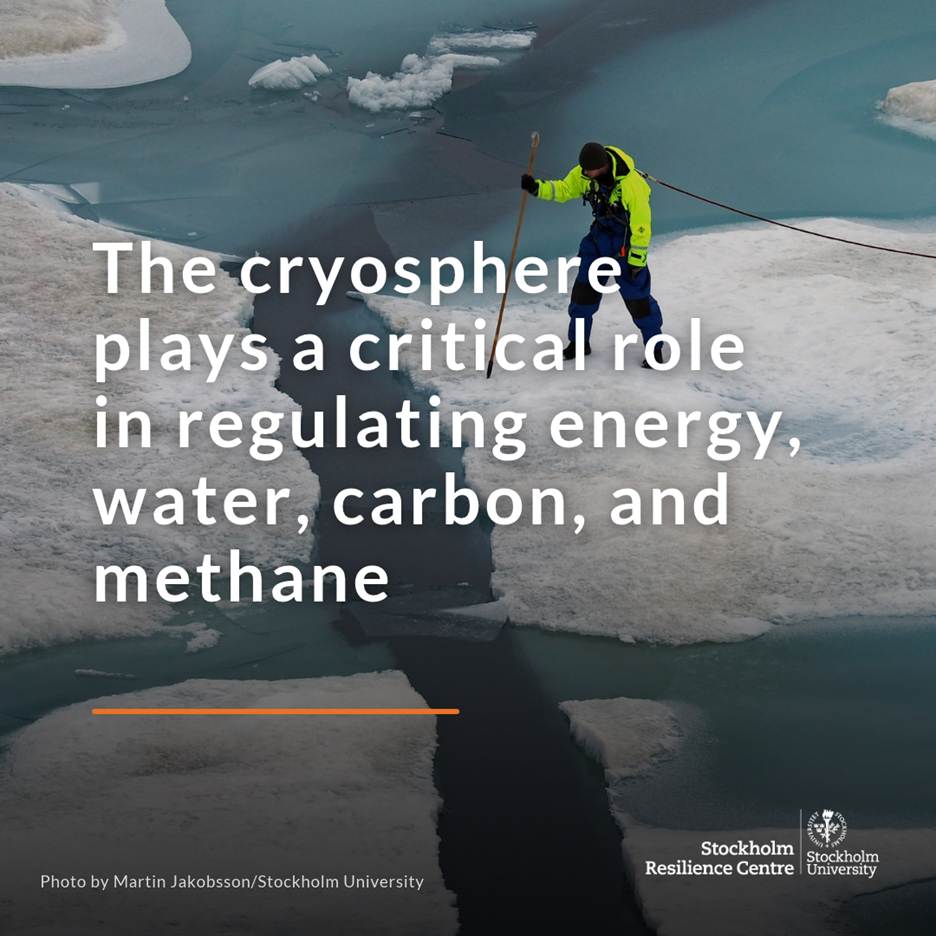
The paper, published as policymakers gather for COP31 in Turkey, finds that continued cryosphere decline threatens climate stability, freshwater supplies, ecosystems, and human societies. It calls for urgent international action on greenhouse gas emissions, black carbon emissions, and governance of cryosphere-related risks.
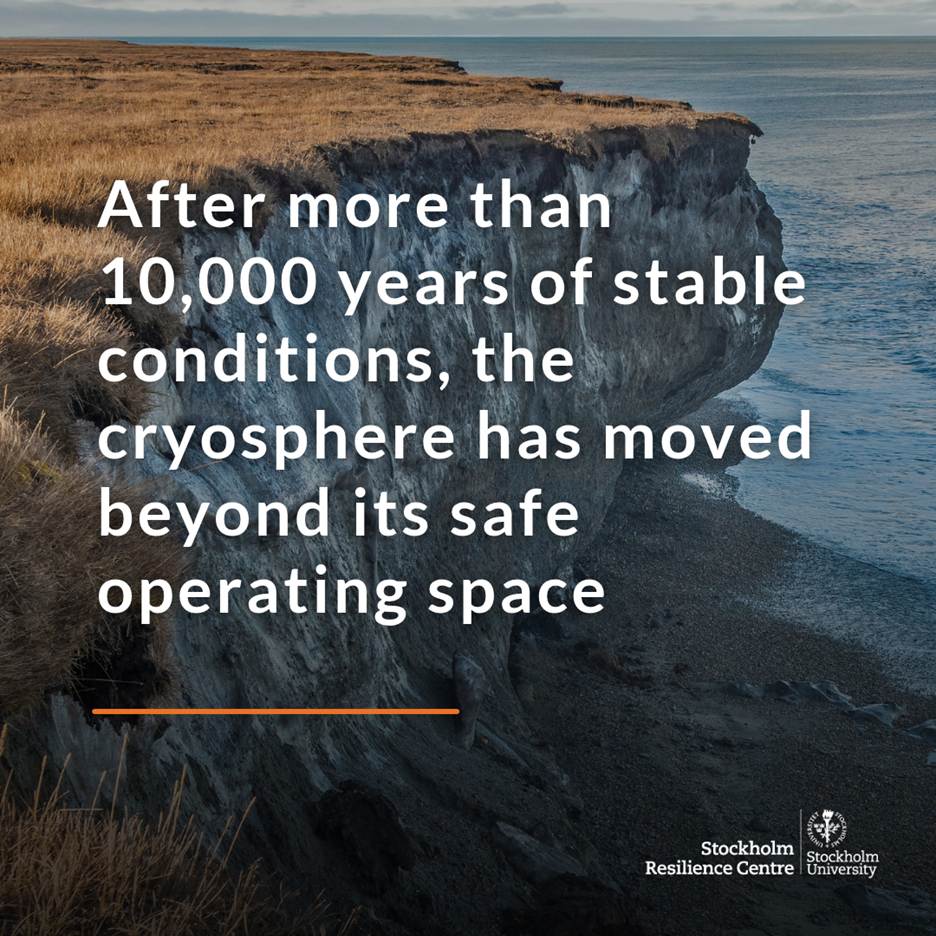
"This timely, integrated update on the state of cryosphere decline, its impact on the Earth's environment and the impacts on humanity's prosperity and survival issues a clear warning on the emergency of cryosphere collapse that global policymakers must heed at COP31 and beyond," said Pomeroy. "The paper makes an important contribution to delivering on the ambitions of the UN Decade of Action for Cryospheric Sciences (2025-2034), while reinforcing the need for coordinated international action on preserving our cryosphere, and the irreplaceable freshwater, ocean and ecosystem services it provides."
Dr. John Pomeroy, UNESCO Chair in Mountain Water Sustainability, distinguished professor at the University of Saskatchewan (USask), and Chair of the Strategic Management Committee for the UN Decade of Action for Cryospheric Sciences.
The findings are relevant to Canada, where changes in the cryosphere affect freshwater security, glacier-fed river systems, Prairie water supplies, Arctic and northern communities, and climate adaptation planning.
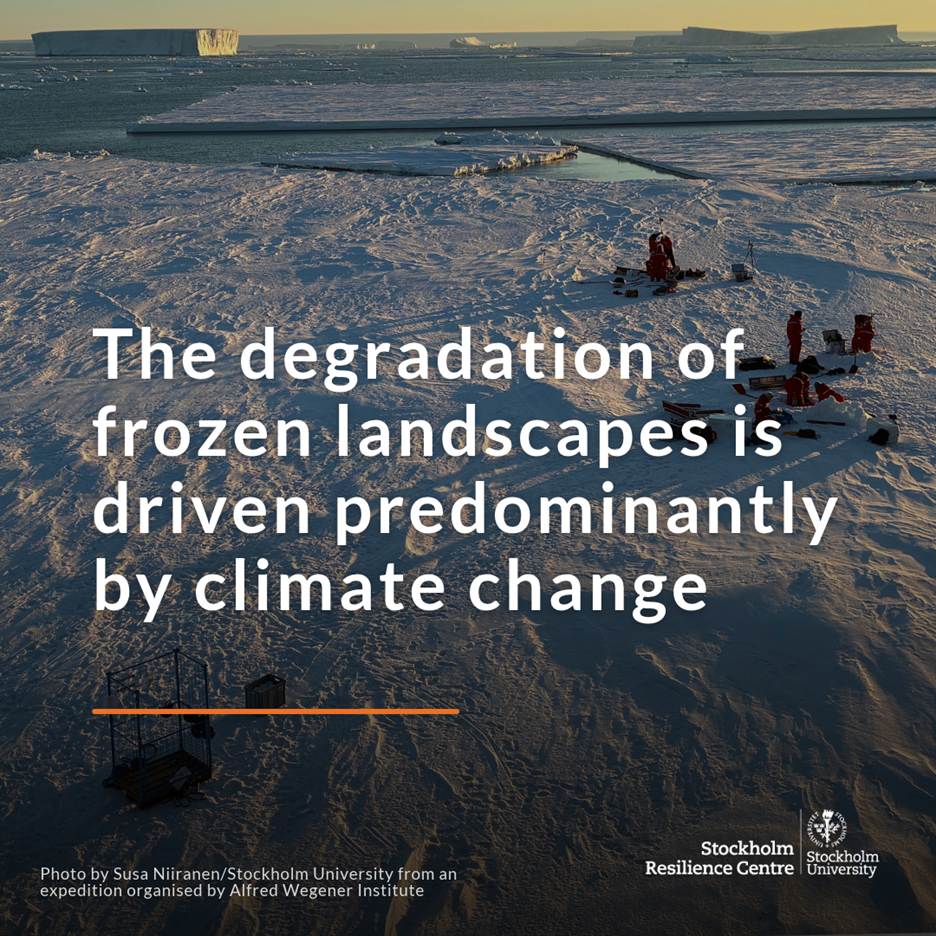
Dr. John Pomeroy is available for interviews on the study's findings, their relevance to Canada, and cryosphere-related considerations for policymakers at COP31.
For media inquiries, please contact: